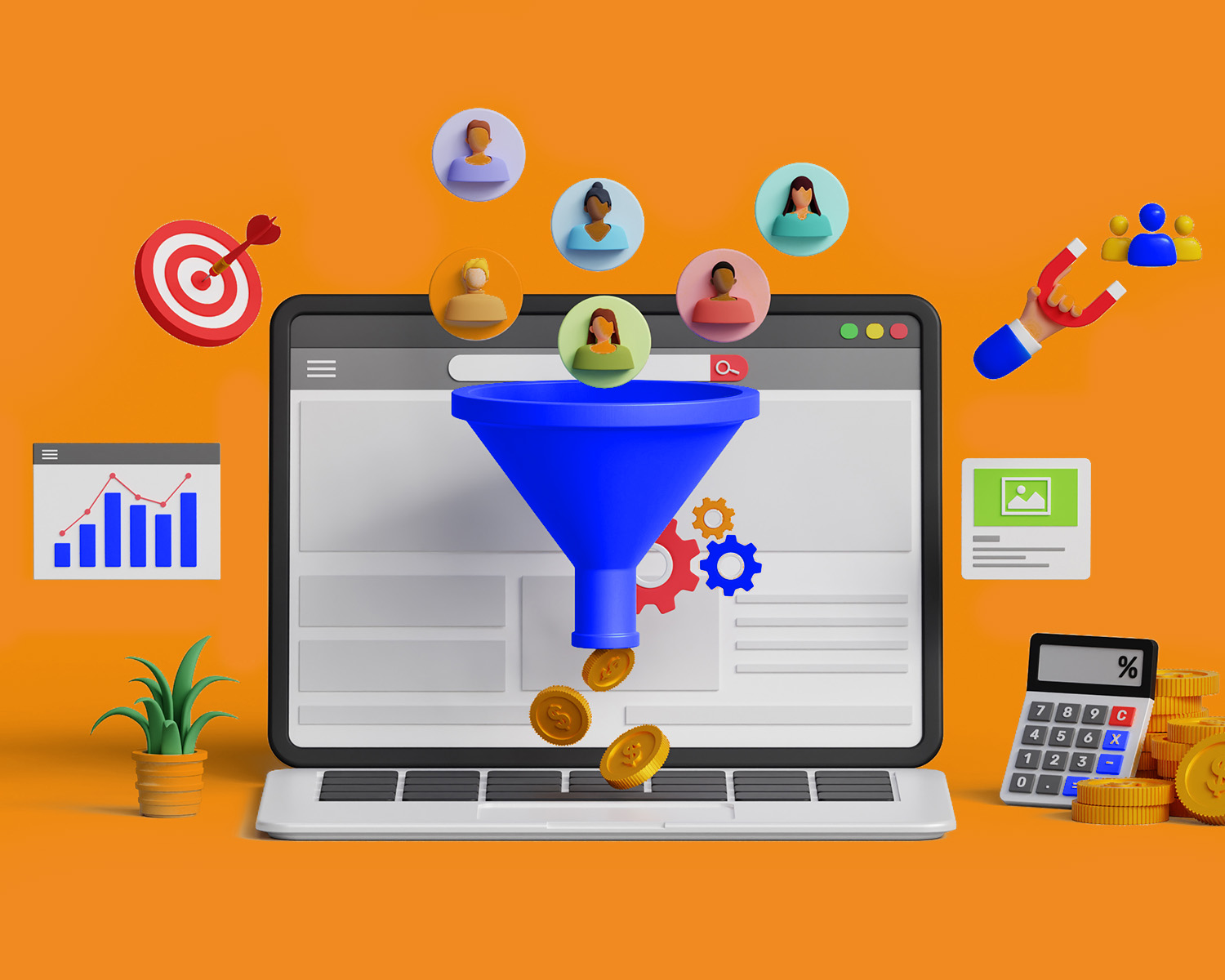
Changing the Conversation About Consideration
Of the three classic phases in the customer journey, the consideration phase can be the most problematic as it is the “middle” phase between awareness and conversion. Moving people into this phase and toward conversion can take time, so it is imperative that this phase is as short as possible while ensuring increased sales or other key conversion metrics.
1. Understand what consideration really looks like today — and how it is transforming.
The classic three-stage funnel — awareness, consideration, conversion — is still a useful planning framework, but actual behavior is far less linear. Awareness is where people first recognize your brand as a solution. Consideration is where they actively compare your brand to alternatives, seek additional information and evaluate trade-offs.
Conversion is where they take an action to either buy, sign up, book a meeting or request a demo.
So, if the consideration phase is really a period of “education and evaluation,” how do we shorten the time between awareness and becoming interested enough to feel confident about making a purchase?
2. Know and communicate product benefits consistently and confidently
Of course, the fastest way to shorten the consideration phase is to ensure that those who reach it are already well qualified and primed. However, the consideration phase is that gray area where tactics that are either awareness or conversion oriented can help prospective customers understand what your brand represents and determine if there is alignment with your product(s) and their share of wallet:
- Can you win on price (or value)?
In highly competitive categories, few advertisers can win on price alone, but what about value? Are you offering more volume for the price? - Can you win on quality?
Is it the ingredients or the workmanship that goes into the product that differentiates you from your competitors? Remind potential customers that should they choose you, they are getting something better than from the competition - Can you win on heritage?
Do you have a brand or product history that can remind consumers what the brand stands for? Reminding consumers that “since 1912” can reassure that the brand can stand the test of time - Can you incentivize trial?
While this is considered a conversion tactic, new buyers (either to your brand or to the category) may need an incentive to try a new brand or product. To a prospective customer, it can indicate that you are willing to take that additional step to reach them; they may respond in kind
3. Identify the types of audiences that you are attracting — but not converting
Most people do not convert on the first visit. This is a good opportunity to analyze at least two key segments of audience traffic:

- Content engagers, but not purchasers:
What percentage of the audience is on your website or product description pages, but takes no further action? Are your blog posts or “product uses” (for the food/beverage category, this may include recipes) generating traffic? This audience may not convert, but are they possible brand “fans” that aren’t ready to purchase? This is a potential opportunity to nurture future loyalists who may ultimately buy and become repeat customers. - Cart abandoners vs. postponers:
What percentage of the audience took the steps to cart your product, only to stay in “conversion limbo”? This can depend on a variety of factors, such as shipping costs, or are they really “cart postponers” — those who build their cart with multiple items until they are ready to purchase. If ultimate purchases fall outside of attribution windows (e.g., 14- or 30-day), this can make cart postponers a valuable but elusive audience.
4. Embrace an AI-enabled (near) future
Often the consideration phase entails research, but this is changing. Most consumers do not really want to take the time to compare and review products; they would rather have it done for them, and consumer (and business) adoption of AI platforms is helping consumers do exactly that. Admittedly we are still in the initial stages of mass AI adoption, but there are things that can be done now:
- For those especially in the big box/CPG categories, take advantage of any beta-testing opportunities:
Walmart and Etsy have already announced partnerships with ChatGPT, so the beginning of “chat commerce” is clearly on the horizon. - AI mode and AI overviews for search:
These are not fully developed, so testing these is key to determine how these can help shorten the consideration time - A/B testing — both creative and media:
Where possible, let AI-enabled tactics in Meta and Google (for example), help in optimizing copy and placements to help increase conversions. One downside: while you may increase performance, these platforms may not always show which combinations or tactics work best (you just have to trust the platform)
In summary:
To make the path to conversion as smooth as possible, marketers should not push consumers to a sale; rather, make the case for your brand by:
- Using a mix of rational and emotional benefits that best represent brand and product positioning
- Understanding audiences who are “close to conversion” — why are they partially engaged and what are their barriers to purchasing?
- Testing AI-enabled tools and platforms that are transforming the consumer experience from manual research to easy-to-digest recommendations
Rather than thinking about consideration as the “problem phase,” think of it as the “solution-oriented” phase, as it represents a key opportunity to restate clearly what your brand represents and why your products (or services) are the best solution to those who are in the market.